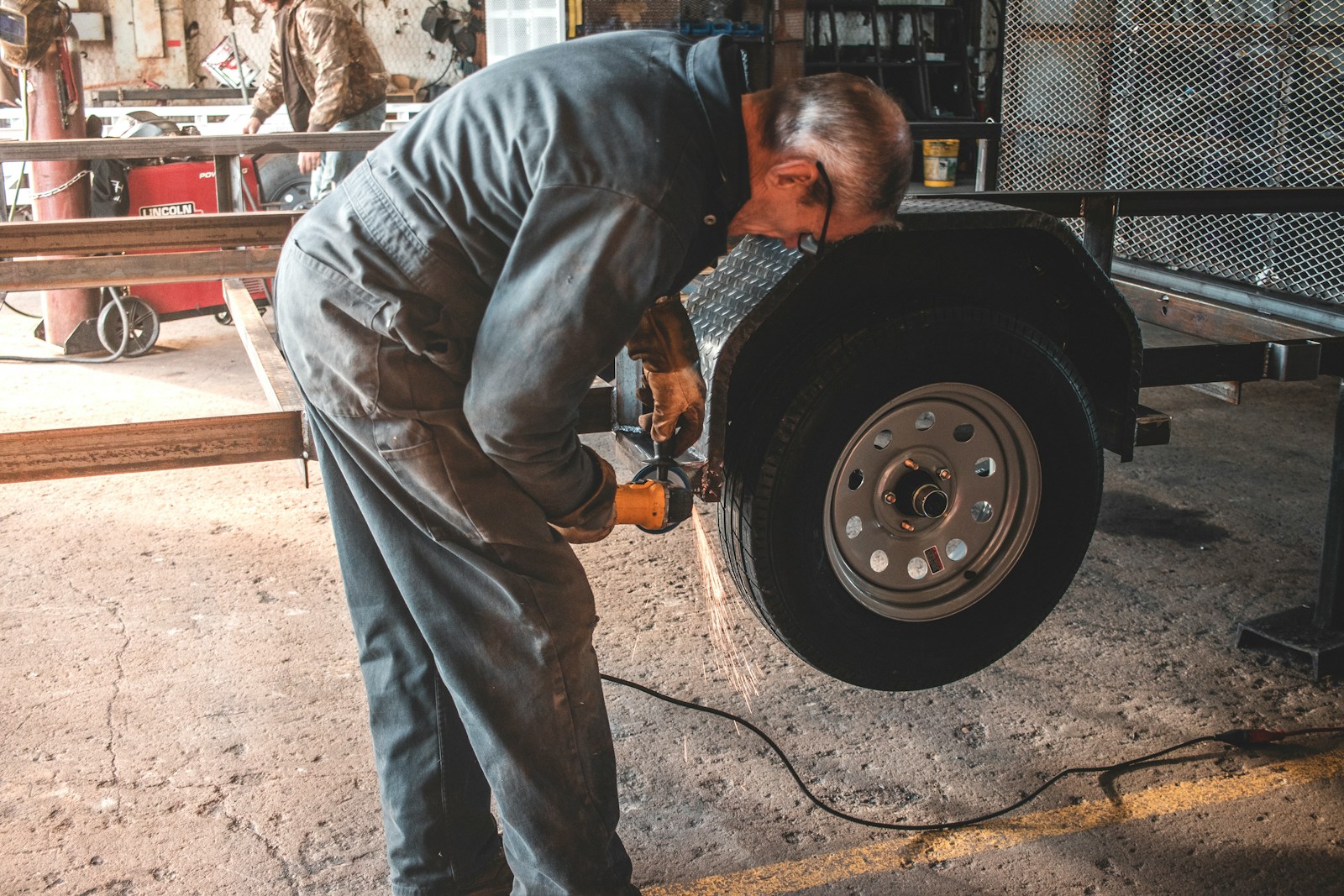
Introduction: How to Change a Tire Safely and Efficiently
Knowing how to change a tire is one of the most valuable skills a driver can have. Flat tires can happen at the most inconvenient times—on a quiet country road, during a late-night drive, or even in your driveway before work. Rather than waiting for roadside assistance or relying on strangers, being able to handle a flat tire on your own can save time, money, and stress.
This comprehensive guide will teach you how to change a tire step by step. Whether you’re a first-time car owner or someone who hasn’t had to change a tire in years, this article will help you feel prepared and confident when the unexpected occurs.
Why You Should Learn How to Change a Tire
Before diving into the steps, let’s explore why it’s important to know how to change a tire:
- Emergency preparedness: You never know when or where a flat tire might strike.
- Independence: You don’t have to wait for a tow truck or call a friend.
- Saves money: Roadside services can be expensive, especially without a membership.
- Basic car knowledge: Understanding your vehicle boosts your confidence as a driver.
What You’ll Need to Change a Tire
Before you begin, it’s essential to make sure you have the right tools in your vehicle. Here’s a checklist of items you’ll need when learning how to change a tire:
- Spare tire (check if it’s fully inflated)
- Car jack
- Lug wrench (tire iron)
- Wheel wedges or blocks
- Flashlight (if driving at night)
- Gloves (optional but helpful)
- Owner’s manual (for reference)
Some vehicles also come with a locking lug nut key, so check for that if your wheels are equipped with anti-theft lugs.
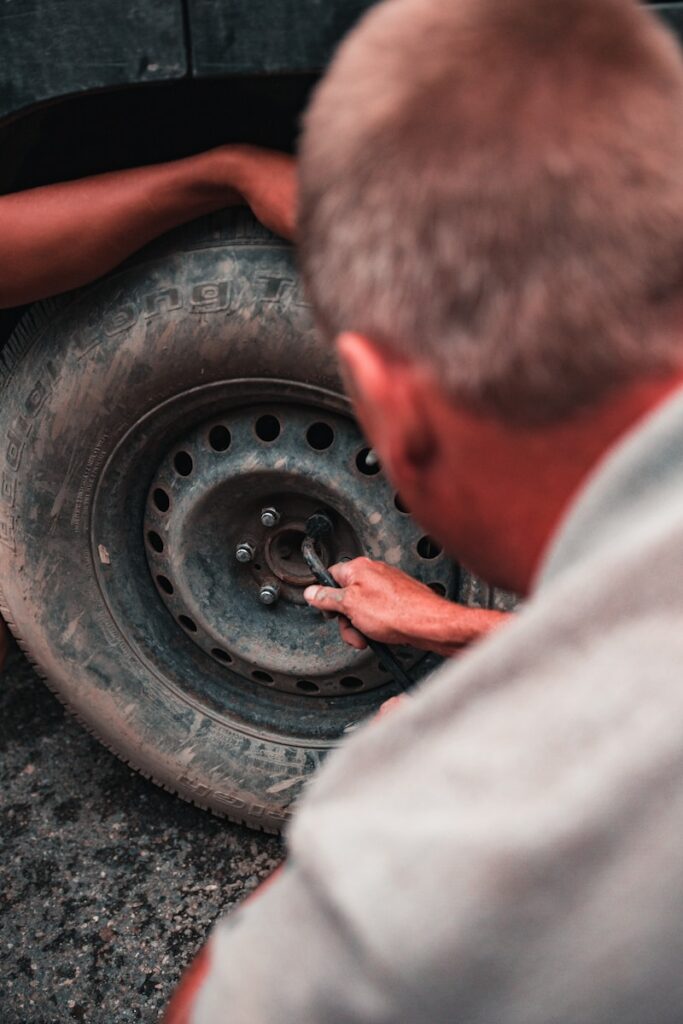
Step-by-Step Instructions: How to Change a Tire
Step 1: Find a Safe Location
As soon as you notice a flat tire, slowly reduce your speed and pull over to a safe location. Ideally, choose a flat, solid surface away from traffic—such as a parking lot or a wide shoulder.
- Turn on your hazard lights to alert other drivers.
- Engage the parking brake to prevent your car from rolling.
- Place wheel wedges in front of or behind the tires opposite to the flat one.
Step 2: Check Your Tools and Spare Tire
Open your trunk and make sure you have all the necessary tools. If your vehicle’s spare tire is a donut (temporary spare), keep in mind it’s only suitable for short distances and low speeds.
Step 3: Loosen the Lug Nuts
Use the lug wrench to slightly loosen (but not remove) the lug nuts on the flat tire. You may need to apply extra pressure with your foot if the nuts are tight. Remember to turn counterclockwise.
Pro tip: If your lug nuts are stuck, use a longer wrench handle or a piece of pipe to get better leverage.
Step 4: Lift the Vehicle With the Jack
Refer to your owner’s manual to locate the proper jack point under your car. These are reinforced spots designed to hold the vehicle’s weight without damage.
- Position the jack and begin lifting the car until the flat tire is about 6 inches off the ground.
- Make sure the car is stable before proceeding.
Step 5: Remove the Flat Tire
Now that the vehicle is elevated and stable:
- Fully remove the loosened lug nuts and place them somewhere safe.
- Gently pull the flat tire off the hub. It may take a little wiggling if it’s stuck.
Set the flat tire flat on the ground so it doesn’t roll away.
Step 6: Mount the Spare Tire
Lift the spare tire onto the hub, aligning the holes with the bolts.
- Push it in until it’s snug against the hub.
- Hand-tighten the lug nuts onto the bolts in a criss-cross pattern to ensure even pressure.
Step 7: Lower the Car and Tighten the Lug Nuts
Use the jack to carefully lower the car until the tire just touches the ground but the full weight isn’t on it yet.
- Use the lug wrench to fully tighten the lug nuts in a star or criss-cross pattern.
- Lower the car completely and remove the jack.
Once the vehicle is fully lowered, re-check the lug nuts and tighten again if necessary.
Step 8: Pack Up and Drive Safely
Put the flat tire, tools, and jack back into your trunk. If you’re using a temporary spare, drive cautiously and head to a tire shop as soon as possible for a full replacement or repair.
Common Mistakes to Avoid When Changing a Tire
Even when you know how to change a tire, it’s easy to make avoidable mistakes. Here are a few to watch out for:
- Not loosening lug nuts before jacking up the car
- Using the wrong jack point
- Driving on a flat for too long
- Failing to tighten lug nuts in the correct pattern
- Ignoring the spare’s speed and distance limitations
Always double-check your work and take the time to do it right.
How to Change a Tire in Bad Weather
Changing a tire in the rain, snow, or extreme heat adds another layer of difficulty. Here are some safety tips:
- Wear reflective clothing or use road flares for visibility.
- Lay down a mat or towel if the ground is wet or muddy.
- Keep a poncho and towel in your trunk as part of your emergency kit.
- If the weather is too dangerous, stay in your car and call for help.
Donut vs Full-Size Spare: Know the Difference
When you learn how to change a tire, it’s important to understand what type of spare you have:
- Donut (temporary): Smaller and lighter, designed for short distances and speeds under 50 mph.
- Full-size spare: Matches your other tires, can be used like a normal tire.
- Run-flat tires: Some modern cars come with tires that can function after a puncture without needing a spare.
Check your owner’s manual or ask your mechanic to clarify which type your car uses.
How Often Should You Check Your Spare Tire?
Many people forget their spare tire even exists—until they need it. To avoid surprises:
- Check your spare’s air pressure every few months.
- Look for signs of dry rot or damage.
- Make sure all tools are in good condition and not rusted.
If you’re buying a used car, make it a habit to inspect the spare during your initial review.
When Should You Call for Help Instead?
While learning how to change a tire is a great skill, there are times when it’s safer to call for professional assistance:
- You’re on a narrow road or dangerous location (like a freeway).
- You don’t have the right tools or spare.
- The lug nuts are rusted and won’t budge.
- The spare tire is flat or damaged.
Use your best judgment. Your safety should always come first.
Final Thoughts: Take Control of Your Roadside Safety
Now that you’ve learned how to change a tire, you’ve gained a practical life skill that adds to your confidence and independence as a driver. Flat tires are never convenient, but with the right preparation and know-how, they don’t have to ruin your day.
Make sure to review your car’s manual, inspect your spare regularly, and consider practicing the process in a safe environment like your driveway. The more familiar you are with the steps, the faster and safer you’ll be when it really counts.
So next time you hit the road, you’ll know exactly what to do if a flat tire tries to slow you down.