Key Takeaways: Fixing pixelated video usually involves adjusting playback settings, updating outdated codecs, or using AI-powered repair software to reconstruct missing data. To prevent it, always ensure your hardware can handle the file resolution and maintain a stable internet connection during streaming or uploads.
Learning how to fix pixelated video is a common necessity for anyone who spends time recording memories or streaming content. There is nothing more frustrating than clicking “play” on a precious family clip or a professional project only to see a blocky, distorted mess of squares instead of a crisp image.
Pixelation happens when the data required to render a smooth image is missing or compressed too aggressively. While you can’t always “magically” turn a 240p video into a 4K masterpiece, there are several reliable ways to clean up the noise and get your footage looking sharp again.

Why Do Videos Get Pixelated?
Before jumping into the fixes, it helps to know why the screen looks like a mosaic. Usually, it comes down to:
- Low Bitrate: If the file size was squeezed too much during export, details are lost.
- Codecs Issues: Your media player might not have the right “translator” to read the file correctly.
- Physical Corruption: Sometimes data on a hard drive or SD card gets damaged.
- Poor Lighting: Cameras struggling in the dark often produce grainy, pixelated noise.
Step-by-Step Methods for Fixing Pixelated Video
If you are currently staring at a grainy screen, try these steps in order. We’ll start with the easiest “quick fixes” and move toward more heavy-duty repair options.
1. Check Your Media Player Settings
Sometimes the video isn’t broken; your player is just struggling. If you’re using VLC Media Player, go to Tools > Preferences > Input / Codecs and look for “Hardware-accelerated decoding.” Switching this to “Disable” or “Automatic” can sometimes clear up blocky playback issues caused by your graphics card.
2. Update Your Graphics Drivers
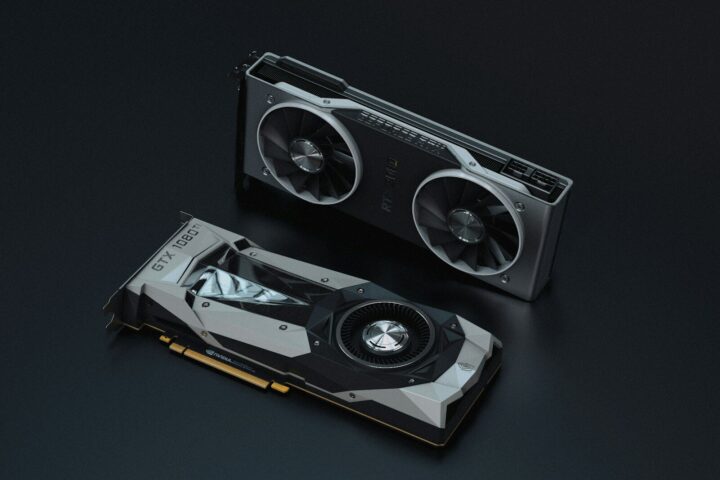
An outdated video card driver can make even high-quality footage look terrible. Visit the manufacturer’s site (like NVIDIA or AMD) to ensure your system is equipped to handle modern video rendering.
3. Use an AI Video Enhancer
This is the most modern way to handle how to fix pixelated video. AI tools like Topaz Video AI use machine learning to “predict” what the missing pixels should look like. They can effectively upscale low-resolution footage and remove the “blocks” associated with heavy compression.
4. Re-download or Re-transfer the File
If you’re dealing with a file from a cloud service or a camera, the pixelation might have happened during a faulty transfer. Try moving the file again or downloading it on a more stable connection.
Comparison of Video Repair Tools
| Tool Type | Best For | Effort Level | Cost |
| Media Players (VLC) | Playback glitches | Very Low | Free |
| Online Repair Sites | Single, small files | Low | Free/Paid |
| AI Enhancers | Serious restoration | High | Premium |
| Video Editors | Minor grain removal | Medium | Variable |
Practical Examples and Common Mistakes
The “Dark Room” Mistake
A common scenario involves filming a video in low light. The camera raises the ISO, creating “noise” that looks like pixelation. People often try to fix this by adding sharpness in an editor, which actually makes the blocks look worse. Instead, use a “De-noise” filter first to smooth out the blocks before adjusting the clarity.
The “Over-Compression” Mistake
When exporting a video for social media, many creators set the bitrate too low to save space. This is a primary cause of pixelation. A good rule of thumb is to check the recommended upload specs for platforms like YouTube to ensure your settings match their requirements.
Pros and Cons of Different Repair Approaches
Manual Video Editing (Filters)
- Pros: Total control over the look; no extra cost if you already own the software.
- Cons: Very time-consuming; can’t truly “recreate” lost data.
AI Reconstruction
- Pros: Can actually improve resolution; amazing at removing compression artifacts.
- Cons: Requires a powerful computer; can sometimes make faces look slightly “plastic.”
Built-in Repair Features
- Pros: Often free and built into players like VLC.
- Cons: Only works for minor index errors, not for actual visual quality improvement.
How to Prevent Pixelation in Future Recordings
While knowing how to fix pixelated video is great, preventing it is even better. Here is a checklist to keep your future footage clean:
- Increase Your Bitrate: When exporting, don’t be afraid of larger file sizes. A higher bitrate means more data per second, which reduces blockiness.
- Use Modern Codecs: H.264 is the standard, but H.265 (HEVC) offers better quality at smaller sizes.
- Check Your Lighting: Always ensure your subject is well-lit so the camera sensor doesn’t have to “guess” and create digital noise.
- Avoid Digital Zoom: Most smartphones use digital zoom, which essentially just crops and stretches the image, leading to immediate pixelation. Use optical zoom or just move closer.
- Use High-Speed SD Cards: If your storage card is too slow, it might drop frames or skip data during recording, resulting in a corrupted, pixelated file.
Frequently Asked Questions
Can I fix a video that was recorded in low resolution?
Yes, but within limits. You can use AI upscaling software to increase the resolution and smooth out the edges, but it will never look exactly like it was filmed in native 4K.
Why does my video look pixelated only on YouTube?
This is often due to YouTube’s “processing” time. When you first upload a video, it plays in low resolution (360p). Wait an hour or two for the HD version to finish processing. If it’s still pixelated, your upload bitrate was likely too low.
Is there a way to fix pixelated video for free?
You can try using the “Repair” feature in VLC Media Player or use free open-source tools like Handbrake to re-encode the video with a higher quality setting.
Does a pixelated video mean the file is corrupted?
Not necessarily. It could just be heavily compressed. True corruption usually involves the video freezing, skipping, or refusing to open at all.
Will changing the file extension help?
Rarely. Simply renaming a .MOV to an .MP4 doesn’t change the data inside. You need to use a converter to properly re-encode the file. For more technical details on how video data is structured, you can refer to the Adobe Video Encoding Guide which explains the relationship between containers and codecs.
Knowing how to fix pixelated video can save a project that seemed destined for the trash bin. Whether you choose a quick player tweak or a deep AI restoration, there is almost always a way to improve the viewing experience.