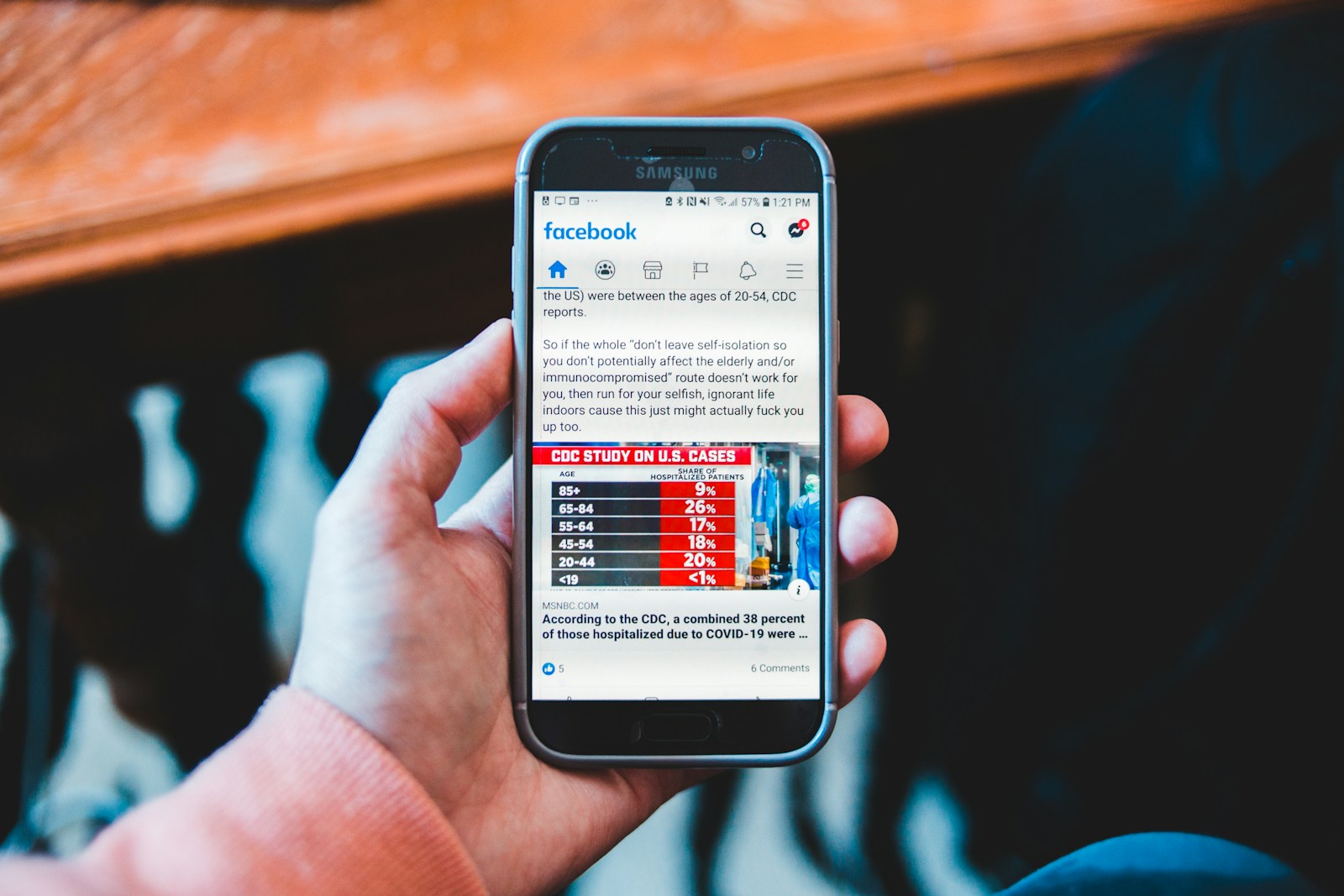
Key Takeaways: To effectively turn off comments on a Facebook post, click the three dots (…) at the top right of your post and select Who can comment on your post?. By choosing Profiles and Pages you mention, you restrict commenting to only those you’ve tagged; if no one is tagged, comments are essentially disabled.
Sometimes, the best way to enjoy social media is to simply share a moment without opening the floor for a debate. Whether you are sharing sensitive news, a high-traffic business update, or just want to avoid the noise of notifications, knowing how to turn off comments on facebook post settings gives you back your digital peace. Facebook doesn’t have a giant “off” switch for every single post at once, but they provide several clever ways to quiet the crowd on individual updates.
The Quick Way to Restrict Comments on Your Personal Profile
If you’ve already hit publish and realize the conversation is going in a direction you didn’t intend, don’t worry. You can adjust the settings after the fact.
- Navigate to the specific post on your timeline.
- Tap or click the three dots in the top-right corner.
- Look for the option that says Who can comment on your post?.
- Select Profiles and pages you mention.
- Click Done.
By selecting this specific option, you are telling the platform that only people you’ve tagged in the text can reply. If you haven’t tagged anyone, the comment box effectively disappears for everyone else.
Managing Privacy: How to Turn Off Comments on Facebook Post for Groups
Groups are a different beast. Because groups are designed for community interaction, the tools for admins and members are a bit more direct. If you are an admin or the original author of a post within a group, you can usually kill the comment thread entirely.
- Find the post within the group.
- Click the three dots icon.
- Select Turn off commenting.
This is a “hard” shutoff. Unlike personal posts where you are technically just limiting the audience, group settings allow you to lock the thread so that everyone can still see the content, but nobody can add new replies. This is perfect for “Announcements” or “Rules” posts that need to stay clean and readable.
Why You Might Want to Limit Interactions
We live in an era of “outrage culture,” and sometimes a harmless photo of your morning coffee can turn into a heated argument about caffeine ethics. Many users are opting to limit comments to protect their mental health. According to HelpGuide.org, the constant pressure of social validation and the risk of cyberbullying can lead to significant stress. By controlling who can chime in, you create a safer space for yourself.
Another reason is professional. If you are a public figure or a brand, a viral post can quickly become a magnet for spam or “trolls.” Instead of spending hours deleting individual messages, learning how to turn off comments on facebook post settings allows you to focus on the content itself rather than the moderation.
Pro Options: Comparison of Comment Control Methods
| Method | Best For | Level of Control |
| Mention Only | Personal Profiles | High (Effectively Off) |
| Friends Only | Privacy Seekers | Medium |
| Turn Off Commenting | Facebook Groups | Total Lock |
| Keyword Filters | Business Pages | Automated Cleanup |
Using Keyword Filters as a Workaround
If you are running a Business Page, you might notice that the “Turn Off” button isn’t always there. In these cases, you can use the Page Moderation tool. By adding common words like “the,” “is,” or “and” to your blocked list, you can automatically hide almost every incoming comment. It’s a bit of a “hacker” move, but it gets the job done when you need a quiet page.
Common Mistakes to Avoid
A frequent error people make is trying to find these settings on a post that isn’t set to Public. If your post is restricted to “Friends,” Facebook assumes you already trust your audience, so it might not show you the “Who can comment” menu.
Another mistake is forgetting that old comments don’t disappear. When you use the steps for how to turn off comments on facebook post updates, it only prevents new comments. If there’s already a mess in the thread, you’ll need to manually delete those or hide them one by one.
Frequently Asked Questions
Can I turn off comments for all my future posts at once?
Not exactly. While you can set your default audience to “Public” and then adjust your global “Public Post Filters” in settings to limit who can comment, you generally have to manage specific “off” settings post-by-post.
Will people know I turned off the comments?
Yes. For group posts, there is usually a small note saying “Comments have been turned off for this post.” On personal profiles, the comment box simply won’t appear for people who aren’t allowed to use it.
Can I turn comments back on later?
Absolutely. Just follow the same steps—click the three dots and change the setting back to Public or Friends. The old comments will still be there, and new ones can start rolling in.
What happens if I tag someone after I turn off comments?
If you use the “Profiles and Pages you mention” trick and then edit your post to tag a friend, that specific friend will suddenly gain the ability to comment while everyone else remains locked out.
Is it possible to hide specific comments instead of turning them off?
Yes. If you just have one or two troublemakers, you can long-press a comment (on mobile) or click the dots next to it (on desktop) and select Hide. This makes the comment invisible to everyone except the person who wrote it and their friends, avoiding a public confrontation.
According to the Facebook Help Center, managing these interactions is part of their commitment to giving users more control over their experience. It’s your wall, your rules.
Would you like me to help you draft a specific “Comment Policy” you can pin to your profile or group to help manage expectations?
This video provides a step-by-step visual demonstration on how to navigate the Facebook interface to locate and adjust the commenting permissions on your posts.