Key Takeaways
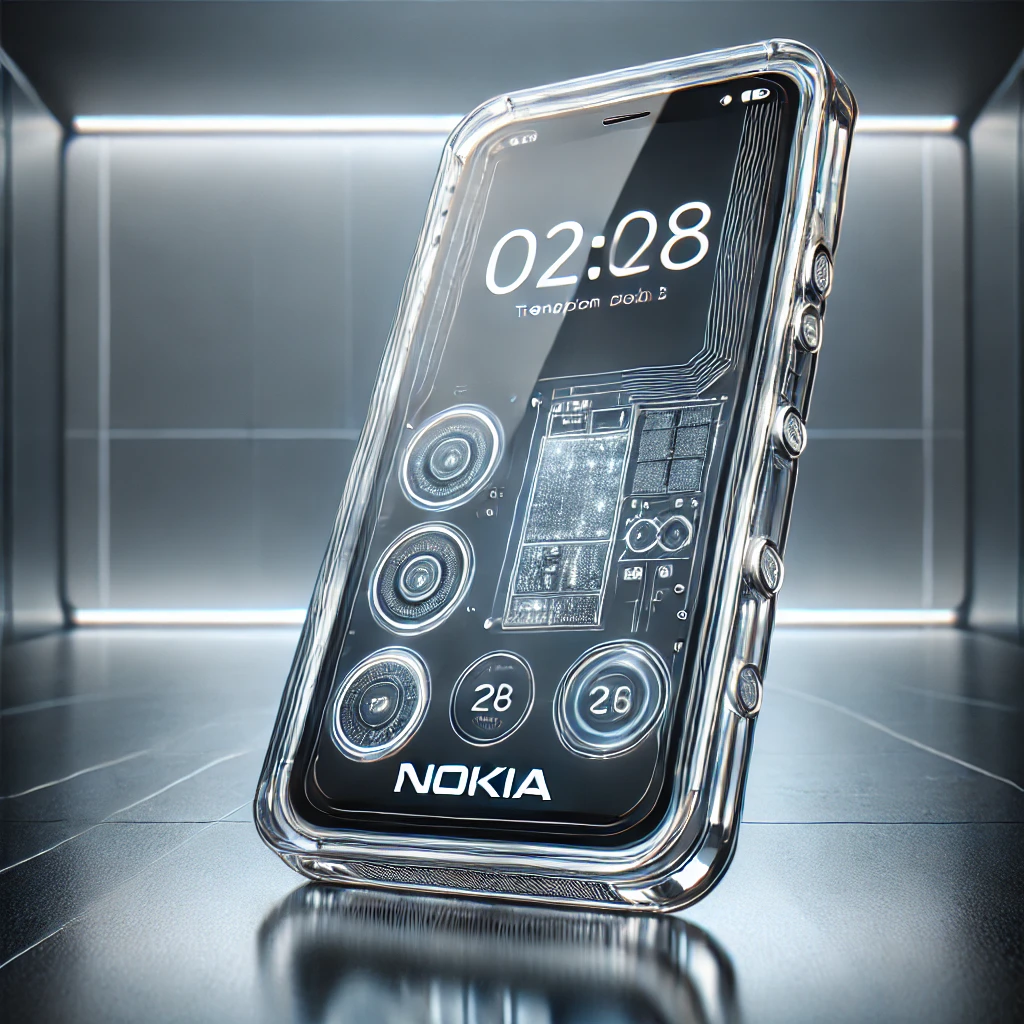
The Nokia transparent smartphone is a futuristic concept that features a nearly invisible body and edge-to-edge see-through display, combining cutting-edge design with advanced technology. While still in the prototype or concept stage, it hints at a bold direction for mobile innovation, blending function and form in ways we’ve never seen before.
What Is the Nokia Transparent Smartphone?
The Nokia transparent smartphone refers to a concept device featuring a fully transparent body and screen, offering users a next-level visual experience. Imagine holding a piece of glass that functions like a powerful smartphone—with visible UI elements floating in space, minimal bezels, and a display that almost disappears when turned off.
This futuristic design has sparked conversations in tech communities, with many speculating about Nokia’s comeback into premium, high-design mobile tech. While not yet mass-produced, teasers and concept videos have shown that the Nokia transparent smartphone isn’t science fiction—it’s a glimpse into what could be coming next.
1. The Technology Behind Transparency
Creating a transparent smartphone isn’t just about making glass see-through. It requires advanced display technology, including:
- OLED or MicroLED displays: These allow for transparent pixel layers, enabling the device to show images while still allowing light to pass through.
- Transparent circuits and batteries: Essential internal components must also be see-through or hidden within borders.
- Minimal bezel architecture: A truly transparent phone needs everything—including the camera and sensors—to be either hidden or invisible.
Companies like Samsung and LG have explored similar tech in TVs and commercial displays. Nokia’s concept borrows from this evolution and pushes it further into handheld design.
According to TechRadar, transparent OLED displays have already made their way into store displays and vehicle HUDs, proving the concept works in practice (source).
2. Why the Nokia Transparent Smartphone Stands Out
Nokia has always been a brand tied to reliability and unique design. By entering the transparent smartphone space, they’re not just chasing trends—they’re attempting to redefine what a smartphone can look like.
What makes this concept special:
- Visual uniqueness: There’s nothing like it on the market today.
- Minimalist aesthetic: For users who want elegance and simplicity, a see-through phone offers both.
- Conversation piece: This isn’t just a gadget; it’s a statement.

3. Potential Use Cases
While transparent phones might seem like a luxury gimmick, they could have practical uses:
- Augmented reality overlay: Instead of using a camera, users could see the real world through the phone and receive AR overlays directly on the transparent screen.
- Privacy-aware design: Viewable only from certain angles, reducing shoulder-surfing risks.
- Futuristic gaming: Games designed to use real-world backdrops in real-time could be more immersive than ever.
4. Steps to Create a Transparent Smartphone (From Concept to Reality)
Bringing a transparent phone from idea to mass production isn’t simple. Here’s what it involves:
- Prototype the display using transparent OLED or MicroLED.
- Redesign the internal components (battery, circuits, camera) to be transparent or minimized.
- Ensure structural integrity of the transparent material—typically strengthened glass or hybrid plastics.
- Incorporate UI elements that are visible in all lighting conditions.
- Test durability and practicality in real-world conditions.
Every step needs to solve visibility, battery life, and usability issues, which is why most transparent smartphones remain concepts for now.
5. Pros and Cons of a Transparent Smartphone
| Pros | Cons |
|---|---|
| Visually stunning | Potential durability concerns |
| Unique and futuristic experience | Limited space for internal components |
| Potential for AR innovation | Harder to see screen in bright light |
| Lightweight, minimal aesthetic | High cost of production |
6. Is Nokia Really Launching a Transparent Phone?
Nokia has not officially confirmed a launch date for the transparent smartphone. However, concept videos and design leaks have surfaced online, sparking curiosity.
One standout was a viral concept video shared by @TechConfigurations on YouTube, showing a sleek glass body with a holographic UI. While unofficial, it captured the attention of millions and reignited interest in Nokia’s innovation potential.
According to Android Authority, several companies are experimenting with similar tech, but challenges like battery transparency and camera integration are still major roadblocks.
7. How Does It Compare to Traditional Smartphones?
Here’s a quick comparison between traditional smartphones and the concept Nokia transparent smartphone:
| Feature | Traditional Smartphone | Nokia Transparent Smartphone |
|---|---|---|
| Display | Opaque OLED/LCD | Transparent OLED/MicroLED |
| Aesthetic | Metal/Glass build | Fully transparent body |
| Battery | Visible, opaque | Concealed or translucent |
| Use in sunlight | Optimized | Needs brightness improvements |
| Durability | High (with cases) | Possibly lower |
| Availability | Mass market | Concept/prototype only |
8. Common Mistakes to Avoid with Transparent Smartphone Designs
Tech companies that attempt transparent phones often fall into a few traps:
- Ignoring visibility in bright environments: Transparent screens can get washed out by ambient light.
- Making it fragile: Thin transparent materials might crack more easily.
- Battery compromise: A smaller or see-through battery usually means shorter life.
- Focusing on looks over usability: A cool device is useless if the UI isn’t practical.
Nokia will need to address all of these if they plan to bring their transparent device to market.
9. What Consumers Are Saying
There’s a mix of awe and skepticism in the tech community.
On forums like Reddit and XDA Developers, users love the idea but question if it’s usable in everyday life. One commenter on XDA said, “It’s like something out of Minority Report, but I just want a phone that doesn’t shatter if I sneeze on it.”
Others are more optimistic, saying Nokia’s history of sturdy design might help it overcome the usual fragility issues.
FAQs About Nokia Transparent Smartphone
Q1: Is the Nokia transparent smartphone available for purchase?
Not yet. It remains a concept or prototype, with no official release date announced.
Q2: What display technology does it use?
It’s expected to use transparent OLED or MicroLED displays, similar to those used in commercial transparent TVs and signage.
Q3: Will it support regular Android apps?
If launched, it would likely run a version of Android, but app design might need updates to suit the unique UI.
Q4: Is a transparent battery even possible?
Some prototypes of transparent batteries exist in labs, but they’re not yet commercially viable at scale.
Q5: Why is Nokia experimenting with such a design?
It’s part of their strategy to re-enter the high-end smartphone market with standout innovation.
Q6: Will it be durable enough for everyday use?
Durability is one of the biggest concerns. Unless strengthened with cutting-edge materials, transparent phones might need extra protection.
Final Thoughts
The Nokia transparent smartphone is one of the boldest concepts to surface in recent years. It reflects a shift toward design-led innovation in the mobile world, where phones aren’t just tools but objects of futuristic desire.
While real-world production still faces big hurdles, from battery limitations to UI visibility, the excitement around this concept shows there’s a demand for more imaginative tech.
Whether or not Nokia gets there first, transparent smartphones are no longer just science fiction—they’re prototypes waiting to be perfected.