Gaming has evolved far beyond simple pixels. Today, we are stepping into digital worlds that feel like living realities. This shift is driven by new technologies that make every session more immersive and personal.
Artificial intelligence is a huge part of this, moving us away from predictable scripts toward characters that react and remember your choices. At the same time, ray tracing simulates real-world light to create stunning, lifelike visuals. Even the way we play has changed. Cloud gaming lets us stream huge titles on any device, while haptic controllers let us feel physical sensations like rain or gravel.
Understanding these technologies helps us appreciate the complex systems working behind the scenes to deliver the entertainment we enjoy.
Ray Tracing and Advanced Graphics Rendering
Ray tracing is a massive leap in graphics tech. It simulates how light actually behaves, calculating how rays bounce off surfaces to create real-world reflections, shadows, and refractions.
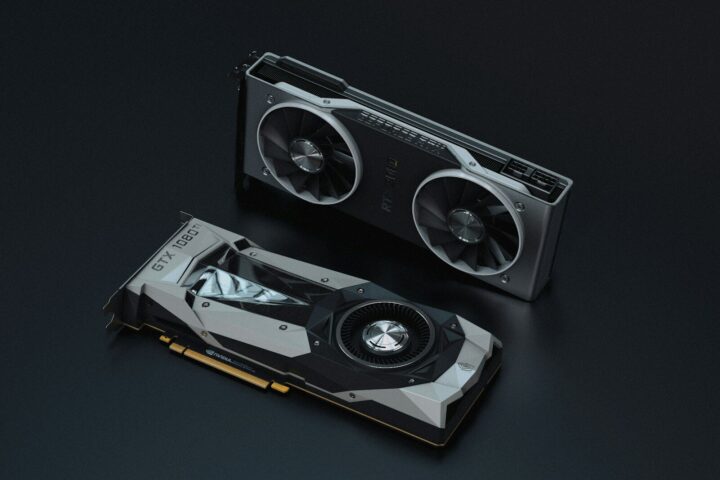
Once limited to Hollywood movies, this is now possible on home PCs through dedicated hardware in modern GPUs. These tools make digital worlds feel tangible and lifelike.
To enable these features on your PC, start by opening your game’s main menu. Head over to the “Graphics” or “Video” settings tab. Look for a specific section labeled “Ray Tracing” or “RTX.” Simply click the toggle to enable it. You can often adjust the intensity to find the right balance between stunning photorealism and smooth performance.
Artificial Intelligence and Machine Learning
AI and machine learning are revolutionizing gaming by making worlds feel more organic. Modern AI allows characters to react naturally to your choices, while machine learning creates vast, unique environments that would be impossible to build by hand. Developers even use these tools to detect cheating and toxic behavior, ensuring a fairer experience for everyone.
However, this same technology can be used to maximize player retention through hyper-personalized reward schedules. These engagement strategies have sparked serious legal concerns, with major companies across leading gaming platforms now facing a gaming addiction lawsuit.
According to TorHoerman Law, these claims suggest that games are intentionally designed to exploit psychological vulnerabilities, particularly in teens. As awareness of addictive design grows, families are taking action to hold companies accountable for the harm caused.
In response, some developers are now using AI ethically to detect signs of excessive play, helping to balance deep engagement with player well-being.
Cloud Gaming and Streaming Technologies
Cloud gaming is democratizing the industry by shifting processing power from expensive local hardware to remote servers. Services like Xbox Cloud Gaming and GeForce NOW allow players to stream demanding titles on smartphones or low-end laptops.
This technology uses advanced compression and edge computing to reduce latency, making high-end experiences accessible anywhere with a stable internet connection. As a result, the traditional barrier of buying an expensive console or a PC is rapidly disappearing.
This shift is creating a massive financial impact. According to Grand View Research, the global cloud gaming market was worth USD 2.27 billion in 2024. It is estimated to reach USD 21.04 billion by 2030. This represents an impressive growth rate of 44.3% annually. The increase is largely fueled by the expansion of high-speed internet, which provides the low-latency connections needed for console-quality gaming on any device.
Virtual Reality and Haptic Feedback Systems
Virtual reality has matured into a powerhouse of immersion, transporting players into digital worlds with incredible detail. Modern headsets now feature higher resolutions and wider fields of view, which help minimize motion sickness and make the experience feel natural.
Beyond just visuals, advanced haptic feedback is changing how we interact with these spaces. Instead of simple vibrations, players can now feel nuanced sensations, like the tension of a bowstring or the specific texture of a stone wall.
Innovation continues with full-body haptic suits and omnidirectional treadmills that let you physically move through virtual environments. Additionally, eye-tracking technology enables foveated rendering, which focuses processing power only on where you are looking. This clever trick improves performance and realism simultaneously.
Together, these systems bridge the gap between the player and the game, making the digital world feel truly tangible.
Real-Time Multiplayer and Network Technologies
Modern multiplayer experiences rely on sophisticated networking to synchronize thousands of players instantly. To ensure fair competition, developers use predictive algorithms and lag compensation to smooth out movement, even on slower connections.
These “netcode” optimizations are critical for maintaining a responsive environment where skill, not ping, determines the winner. Cross-play technology has further revolutionized the industry by allowing friends to compete together regardless of whether they use a console, PC, or mobile device.
Platforms like Steam have mastered this infrastructure. According to Statista, Steam is a top-grossing global platform that hit a record 33 million peak concurrent users in 2023. It provides the essential backbone for massive hits like Counter-Strike 2. As the successor to CS:GO, Counter-Strike 2 reached over 1.7 million peak concurrent players in 2024.
This massive scale is only possible through the seamless integration of social networking, digital rights management, and high-performance multiplayer servers.
Procedural Generation and Dynamic Content
Procedural generation uses algorithms to build game content automatically, offering endless scale and replayability. Instead of handcrafting every corner, developers set rules that allow systems to generate billions of unique planets or dungeons. This tech now extends beyond landscapes to include adaptive music, dynamic weather, and quests that change based on your actions.
Take the 2D roguelike Dead Cells as an example. Every playthrough generates new layouts, enemy placements, and item drops for the entire campaign. In one run, you might find a secret shortcut. In the next, you could be forced to deal with cursed chests and difficult challenge rooms.
While luck plays a role in what the algorithm creates, your skill helps you master these shifting environments. These systems allow even small teams to build expansive worlds that stay fresh and engaging every time you hit “start.”
Frequently Asked Questions
How does ray tracing improve gaming experiences compared to traditional graphics?
Ray tracing enhances gaming by simulating realistic light behavior, creating accurate reflections, shadows, and refractions. Unlike traditional graphics, it produces lifelike visuals that make environments feel tangible. Combined with AI upscaling technologies, it delivers photorealistic imagery while maintaining smooth performance, elevating immersion and overall player experience.
What are developers doing to address gaming addiction concerns?
Developers are increasingly addressing gaming addiction concerns by adding playtime tracking, smart break reminders, and wellbeing dashboards. Some use AI to detect excessive or unhealthy play patterns and adjust rewards or difficulty. Industry discussions and legal pressure are also pushing studios to design more ethical, balanced engagement systems.
Will cloud gaming eventually replace traditional gaming consoles and PCs?
Cloud gaming will likely coexist with traditional hardware rather than fully replace it. While it offers accessibility and convenience, local hardware provides better performance, lower latency, and offline play. Both approaches will serve different player needs and preferences.
The technology behind modern gaming fundamentally changes how we interact with digital worlds. From the lifelike realism of ray tracing to the social connectivity of global multiplayer networks, these tools have turned games into immersive, living spaces.
While innovations like AI and cloud streaming offer incredible accessibility and scale, they also bring new responsibilities regarding player wellbeing. As these systems continue to evolve, the line between reality and play will only get thinner. Ultimately, these technologies ensure that gaming remains the most dynamic and engaging form of entertainment in our world today.