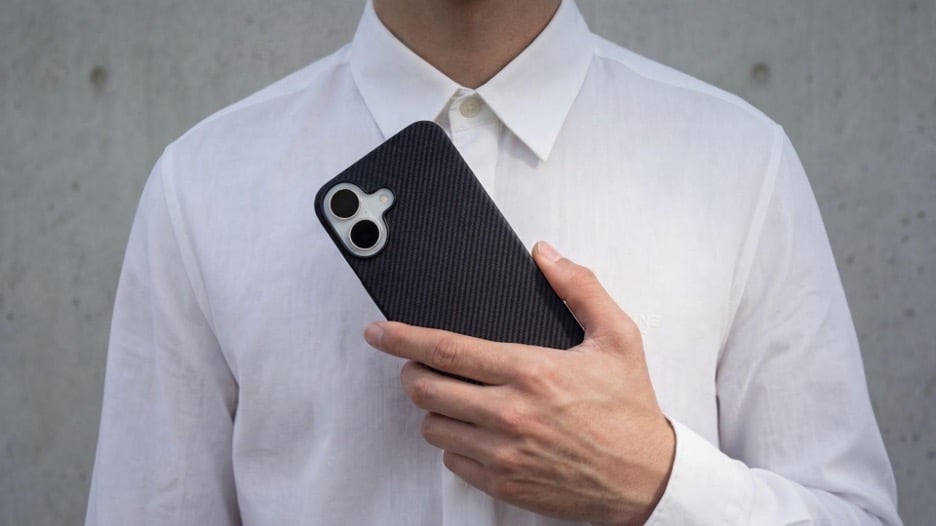
Apple didn’t design the iPhone 17 to be hidden under layers of rubber and plastic. With a slimmer chassis, refined edges, and tighter weight balance than previous generations, the iPhone 17 is clearly built around feel as much as performance. That design choice has pushed a lot of users to rethink the type of case they put on it.
The question isn’t “Do you need protection?” It’s whether a bulky case still fits the way the iPhone 17 is meant to be used. In this guide, we’ll see if switching to a thin iPhone 17 case is better than rugged ones.
Thin vs Bulky iPhone 17 Cases: The Real Differences
Compared to older models, the iPhone 17 feels lighter in the hand and thinner in the pocket. Apple’s focus on balance and ergonomics is obvious the moment you pick it up. Add a thick case, and much of that refinement disappears.
This is why the iPhone 17 case debate isn’t just about durability anymore. It’s about whether your case works with the phone’s design or against it.
Form and Fit
Thin iPhone 17 cases are engineered to follow the phone’s exact contours — camera cutouts, flat edges, and MagSafe alignment included. The goal is to protect the surface without changing how the phone feels. Bulky cases, on the other hand, often override the phone’s original shape with raised edges, thick corners, and layered construction.
Everyday Protection
A thin case protects the iPhone 17, where most damage actually happens: scratches, scuffs, desk wear, and minor drops. Bulky cases are built for harsher conditions — repeated drops, outdoor work, or high-risk environments. For most daily users, that extra protection comes with trade-offs they’ll feel constantly.
Weight and Handling
The iPhone 17’s lighter build is one of its biggest advantages. Thin cases preserve that balance, keeping one-handed use comfortable and pocket carry easy. Bulky cases add noticeable weight and thickness, which can make the phone feel top-heavy, especially with the iPhone 17’s camera module.
Case Study – Thinborne’s Approach to Thin iPhone 17 Cases
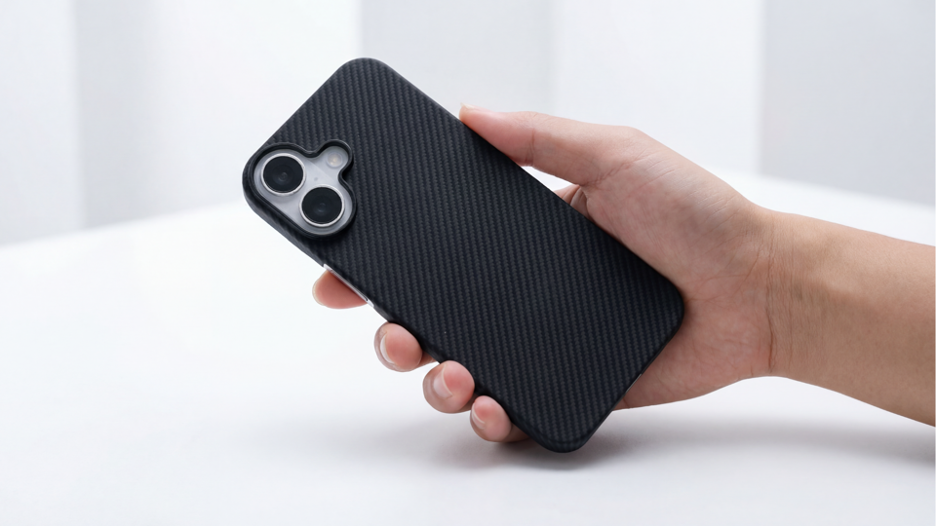
An example of how thin cases reflect consumer trends is the ultra-slim iPhone 17 case designed by Thinborne. Rather than focusing on rugged protection, this case prioritizes a minimalist profile and everyday usability – an approach that aligns closely with the modern thin phone case movement.
Thinborne uses aerospace-grade 600D aramid fiber, a material known for its excellent strength-to-weight ratio. And at roughly a millimeter thick, it preserves the phone’s original feel while adding a textured finish that improves grip.
Moreover, functionality is not sacrificed for slimness. In the case of Thinborne, its built-in MagSafe-aligned magnets show how thin cases can remain lightweight while still supporting Apple’s magnetic ecosystem.
Thinborne’s design choices illustrate changing consumer expectations in 2026. Users now view thin cases not as compromises, but as intentional solutions that combine modern materials, magnetic compatibility, and minimalist design into a single accessory.
Why More Users Are Choosing Thin Cases
Several factors explain the growing preference for thin cases in 2026.
Smartphone manufacturers place greater emphasis on industrial design, encouraging users to preserve the device’s original look and feel. At the same time, lifestyles have become more mobile, which makes lightweight accessories more appealing.
Of course, material innovation also plays a key role. Stronger composites allow thin cases to provide better protection than earlier generations. Additionally, modern features such as wireless charging and magnetic accessories tend to work more efficiently with slimmer case designs.
Conclusion
The debate between thin and bulky smartphone cases is not about which option is universally better. Instead, it reflects different user priorities.
Thin cases suit those who value design, comfort, and everyday convenience, while bulky cases remain essential for users who need maximum protection.
As smartphone technology continues to evolve, both approaches will coexist. So in 2026, choosing the right case is less about following trends and more about understanding how protection fits into your daily life.