Introduction: What Is Symbian OS?
What is Symbian OS? It’s a question that might spark nostalgia for some and curiosity for others. Symbian OS was once the world’s leading mobile operating system, powering millions of smartphones in an era before Android and iOS took over. Developed with the aim of providing a robust platform for mobile computing, Symbian OS played a pivotal role in the evolution of mobile technology.
In this article, we’ll explore the origins, architecture, strengths, and eventual decline of Symbian OS. Whether you’re a tech enthusiast, mobile developer, or digital historian, understanding what Symbian OS brought to the table offers valuable insight into how modern mobile platforms came to be.
The Origins of Symbian OS
Symbian OS has its roots in the early 1990s. It began as EPOC, a lightweight operating system developed by Psion for its line of personal digital assistants (PDAs). In 1998, a joint venture among industry giants—Nokia, Ericsson, Motorola, and Psion—led to the formation of Symbian Ltd., marking the beginning of what would become Symbian OS.
The goal was to create a shared, standardized operating system for smartphones. Back then, phones were transitioning from basic communication devices to multifunctional tools capable of running apps, accessing the internet, and handling multimedia.
Architecture and Features: What Made Symbian OS Unique?
Understanding what Symbian OS is involves exploring its internal architecture and standout features.
Microkernel Architecture
Symbian OS was built on a microkernel design, meaning only the most essential services—like memory management and device drivers—ran in kernel mode. Other services, such as file systems or networking, operated in user mode, increasing system stability and security.
Multitasking Capabilities
One of the standout features of Symbian OS was preemptive multitasking. This allowed multiple applications to run simultaneously—an impressive feat during its heyday.
Memory Efficiency
Given that early smartphones had very limited RAM and storage, Symbian OS was designed to be extremely resource-efficient. It could run effectively on devices with as little as 16 MB of RAM.
Power Management
Symbian OS was built with mobile devices in mind, incorporating advanced power-saving features to extend battery life—a vital characteristic for portable use.
The Rise: Symbian OS as a Market Leader
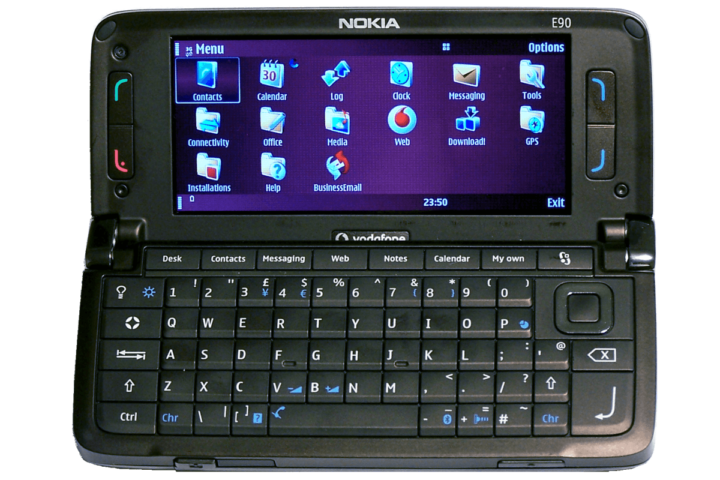
By the early 2000s, Symbian OS had established itself as the go-to operating system for smartphones. Major handset manufacturers, especially Nokia, adopted the platform for their devices. Nokia’s Series 60 (S60) interface ran atop Symbian OS and became one of the most popular smartphone interfaces globally.
Dominance in the Global Market
At its peak, Symbian OS controlled over 60% of the global smartphone market. It was particularly popular in Europe and Asia, where Nokia enjoyed immense brand loyalty.
Broad Developer Ecosystem
Symbian OS supported a large community of developers who created apps using Symbian C++, and later Java ME and Python for S60. Although complex, the platform offered rich APIs that allowed developers to access almost all hardware features.
What Is Symbian OS Used For?
To answer the question “what is Symbian OS used for?” it’s essential to look at the range of functionality it offered and the types of devices it powered.
Smartphones
Symbian OS was primarily used in smartphones, offering a full suite of functionalities including email, web browsing, media playback, and productivity apps.
Enterprise Applications
Many businesses adopted Symbian-powered devices for mobile workforce solutions, such as mobile email clients, document viewers, and encrypted communication tools.
Multimedia Phones
Symbian OS was also popular in camera phones and media-focused devices. It supported high-resolution displays, music players, video recording, and advanced camera features before these became common on other platforms.
User Experience and Interface Design
Over the years, Symbian OS evolved through several user interface platforms:
- S60 (Series 60) – Developed by Nokia, it became the most popular Symbian UI and was used in flagship phones like the Nokia N95.
- UIQ – A touch-focused interface used by Sony Ericsson and Motorola.
- MOAP(S) – Used by Japanese manufacturers such as Fujitsu and Sharp.
Each UI had its own design philosophy, which sometimes led to fragmentation, but they all operated on the core principles of Symbian OS.
Advantages of Symbian OS
Stability
Thanks to its microkernel architecture, Symbian OS was known for being highly stable. It rarely crashed and could run for days without needing a reboot.
Low Power Consumption
Its optimized power management made it suitable for mobile use, helping phones last longer between charges.
Flexibility
Symbian OS could be tailored for various hardware configurations and regional requirements, making it adaptable for different markets.
Challenges and Criticism
Despite its early dominance, Symbian OS faced several critical challenges:
Complex Development Environment
Developing for Symbian OS, especially in Symbian C++, was notoriously difficult. The learning curve was steep, and debugging tools were lacking.
UI Fragmentation
The existence of multiple UIs—S60, UIQ, MOAP—led to inconsistencies in user experience and complicated the work of developers trying to support multiple devices.
Slow Innovation
As iOS and Android entered the market with sleek UIs and robust app ecosystems, Symbian OS struggled to keep up. Its user interface started to feel outdated, and innovation slowed down.
The Decline of Symbian OS
The fall of Symbian OS began around 2007, coinciding with the launch of the iPhone and later Android devices. These platforms introduced modern app stores, touch-friendly interfaces, and faster development cycles.
Lack of Unified Vision
The consortium structure of Symbian Ltd. made it difficult to implement a unified strategic direction. Competing interests among stakeholders hindered rapid development.
Transition to Open Source
In an attempt to revive interest, Symbian OS was made open-source in 2008. However, this move came too late and failed to generate momentum.
End of Support
Nokia, the biggest backer of Symbian OS, eventually abandoned the platform in favor of Windows Phone. The last Symbian device, the Nokia 808 PureView, was released in 2012, marking the end of an era.
Symbian OS vs. Modern Operating Systems
If you compare what Symbian OS offered to current mobile operating systems, the differences are clear:
| Feature | Symbian OS | Android / iOS |
|---|---|---|
| App Store | Limited (Nokia Store) | Google Play / App Store |
| Developer Support | Complex, fragmented | Streamlined, robust |
| Touch Optimization | Minimal (except UIQ) | Fully touch-native |
| Open Source | Late transition | Open from the start (Android) |
| Performance | Optimized for low-power | High-performance hardware |
Despite these differences, it’s important to recognize Symbian OS as a pioneer. It laid the groundwork for many features we now take for granted in modern smartphones.

What Is Symbian OS’s Legacy?
Even though it’s no longer active, Symbian OS left a lasting legacy:
- It introduced millions of users to mobile computing.
- It demonstrated the potential of smartphones before they became mainstream.
- It showed the importance of a strong developer ecosystem and consistent user interface design.
Many engineers and developers who cut their teeth on Symbian OS went on to build next-gen technologies that power today’s devices.
Can You Still Use Symbian OS Today?
In short: barely. Support for Symbian OS has officially ended. App stores, software updates, and online services for the platform are no longer maintained. However, some tech enthusiasts and collectors still keep old Symbian devices running for nostalgia or experimentation.
If you’re curious about what Symbian OS looked like, emulators and YouTube videos provide a glimpse into the mobile experience it offered.
Conclusion: Revisiting What Is Symbian OS
So, what is Symbian OS? It’s more than just an outdated operating system—it’s a chapter in mobile history that highlights both innovation and the pitfalls of stagnation. Symbian OS was once a trailblazer, enabling mobile apps, web access, and media consumption long before the iPhone revolution.
Understanding its journey provides valuable context for how far mobile operating systems have come and how quickly the landscape can change. For those who lived through the Symbian era, it remains a nostalgic reminder of a time when smartphones were just beginning to reshape our world.